Meta Title: How to Start a Profitable Blog in a Micro-Niche (2026 Beginner's Guide)
Meta Description: Learn how to build a profitable micro-niche blog in 2026. Discover niche selection, SEO strategies, monetization methods, AI tools, and content planning for long-term success.
URL Slug: /start-profitable-micro-niche-blog
How to Start a Profitable Blog in a Micro-Niche (2026 Guide)


Why Micro-Niche Blogging Is More Profitable Than Ever
The blogging landscape has changed dramatically. Competing against massive websites covering broad topics is difficult, but micro-niche blogs continue to grow because they target specific audiences with focused content.
Instead of creating a general travel website, you might build a blog dedicated to:
Budget travel in Japan
Digital nomad cafés
Family camping gear
Crochet baby patterns
AI tools for Etsy sellers
Home coffee roasting
Visitors searching for these highly specific topics often have stronger buying intent, making them more valuable.
What Is a Micro-Niche Blog?
A micro-niche blog focuses on one narrow subject instead of an entire industry.
Examples
Broad Niche | Micro-Niche |
Fitness | Home workouts for seniors |
Technology | AI tools for graphic designers |
Finance | Budgeting for college students |
Gardening | Indoor herb gardens |
Pets | French Bulldog nutrition |
Crochet | Baby crochet bootie patterns |
Because the audience is targeted, search engines understand your expertise more easily.
Step 1: Choose a Profitable Micro-Niche


Look for a niche that combines:
✅ Passion
✅ Search demand
✅ Low competition
✅ Monetization opportunities
Good questions to ask:
Are people searching monthly?
Can products be sold?
Are affiliate programs available?
Can digital products be created?
Can AI help create content faster?
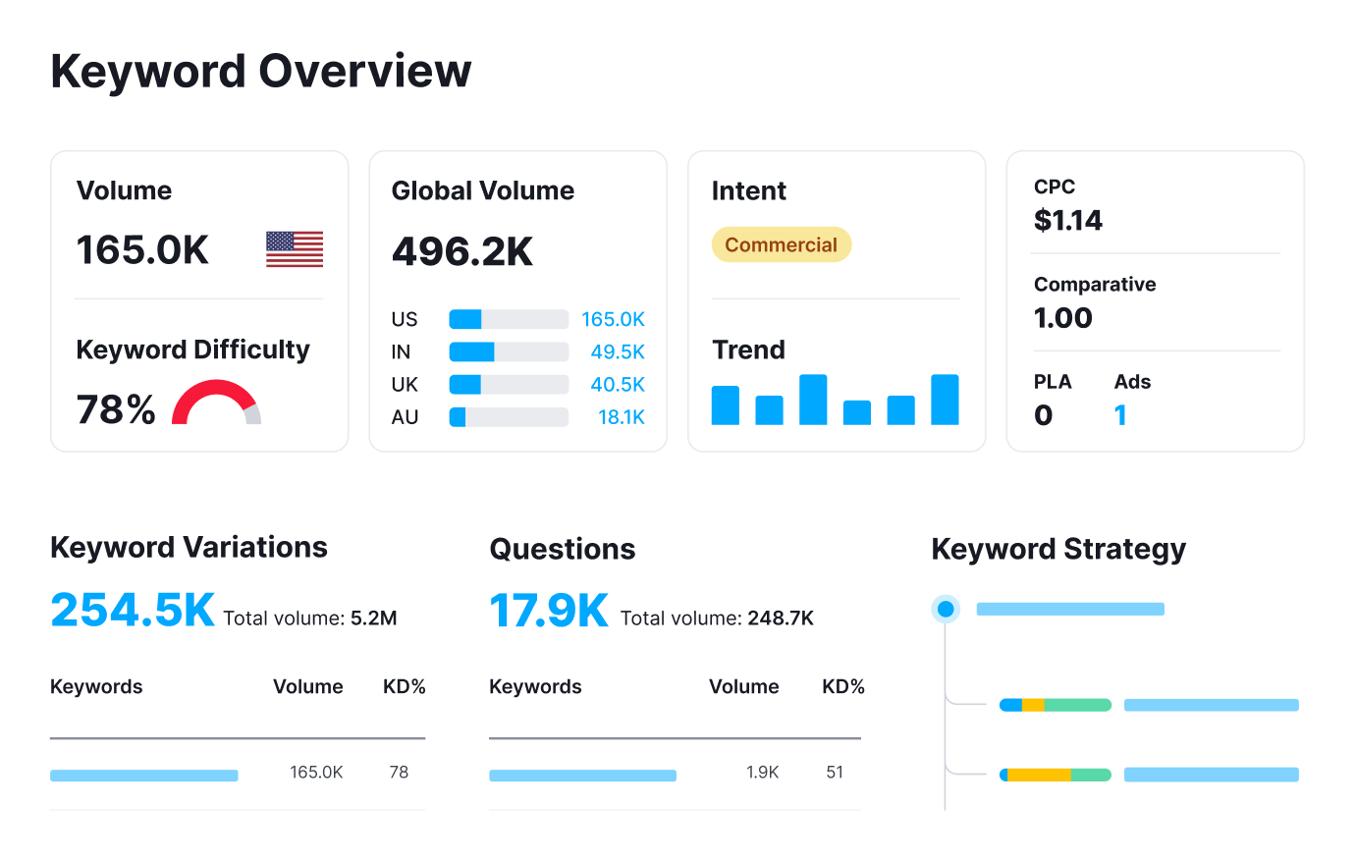
Step 2: Validate Search Demand
Use keyword research tools like:
Google Keyword Planner
Ahrefs
SEMrush
Ubersuggest
Google Trends
Target keywords such as:
best camping lantern for hiking
crochet baby shoes pattern
AI image generators for Etsy
best travel planner app
Long-tail keywords usually convert better.
Step 3: Purchase a Domain
Choose:
Short
Memorable
Easy to spell
Examples:
SmartCoffeeTips.com
TinyTravelGuide.com
CrochetJoyStudio.com
Step 4: Select Reliable Hosting
Good hosting provides:
Fast loading
Daily backups
SSL certificates
WordPress installation
High uptime
Website speed is also an important SEO ranking factor.
Step 5: Install WordPress
WordPress powers millions of successful websites because it offers:
Thousands of themes
SEO plugins
Easy publishing
Mobile responsiveness
Huge community support
Essential plugins include:
SEO plugin
Cache plugin
Image optimization
Security plugin
Backup plugin
Step 6: Create Content Clusters
Instead of publishing random articles, organize content into related groups.
Example:
Main Topic
Crochet Baby Shoes
Supporting articles:
Best yarn
Beginner tutorial
Pattern ideas
Crochet hooks
Baby gift guide
Care instructions
Internal linking improves SEO and user experience.
Step 7: Publish Helpful Content
Successful blogs solve problems.
Examples:
Step-by-step tutorials
Buying guides
Product comparisons
Reviews
Checklists
Templates
FAQs
Focus on quality over quantity.
Step 8: Optimize Every Article for SEO
Basic SEO checklist:
Keyword in title
Keyword in URL
Keyword in first paragraph
Internal links
External references
Optimized images
Meta description
H2 and H3 headings
Mobile-friendly design
Fast loading speed
Step 9: Use AI to Increase Productivity
AI tools can help with:
Content outlines
SEO ideas
Image generation
Grammar checking
Keyword clustering
Content planning
Social media captions
Email newsletters
Always review AI-generated content before publishing to ensure accuracy and originality.
Step 10: Monetize Your Blog


The best blogs combine multiple income streams.
Affiliate Marketing
Recommend products and earn commissions.
Examples include:
Software
Courses
Hosting
Tools
Books
Equipment
Display Advertising
Once traffic grows, advertising can generate passive income.
Digital Products
Sell:
eBooks
Templates
Printables
Crochet patterns
Checklists
Planners
Digital products have excellent profit margins because they can be sold repeatedly.
Online Courses
Teach your expertise through:
Video lessons
PDFs
Worksheets
Community groups
Sponsored Content
Brands often pay established niche bloggers to review products or publish sponsored articles.
Email Marketing
Build an email list from day one.
Offer:
Free checklist
Mini eBook
Template
Planner
Resource guide
Email subscribers are often your most valuable audience.
Traffic Sources
Don't rely on Google alone.
Diversify traffic with:
Pinterest
YouTube
Facebook
Instagram
LinkedIn
Reddit (where appropriate)
Email newsletters
Multiple traffic channels make your blog more resilient.
Common Mistakes to Avoid
Choosing a niche that's too broad
Publishing inconsistent content
Ignoring SEO
Neglecting email marketing
Using poor-quality images
Overloading pages with ads
Giving up too early
Content Publishing Schedule
A simple plan:
Week | Articles |
1 | 3 |
2 | 3 |
3 | 3 |
4 | 3 |
Publishing around 12 well-researched articles per month builds authority over time.
Essential Metrics to Track
Monitor:
Organic traffic
Keyword rankings
Click-through rate (CTR)
Bounce rate
Time on page
Email subscribers
Affiliate revenue
Digital product sales
Use analytics to identify your highest-performing content and improve underperforming pages.
Final Thoughts
Starting a profitable micro-niche blog in 2026 is about becoming the go-to resource for a specific audience. By choosing a focused niche, publishing high-quality SEO content, building an email list, and diversifying your monetization strategies with affiliate marketing, digital products, and advertising, you can create a sustainable online business. Consistency, helpful content, and regular optimization are the keys to long-term growth and profitability.