How tailored online stores can help local retailers attract customers, increase sales, and compete in a digital-first marketplace
For local businesses, having an online presence is no longer simply an advantage—it can be an important part of reaching customers beyond the physical storefront. But creating an effective e-commerce website involves more than uploading products and adding a shopping cart.
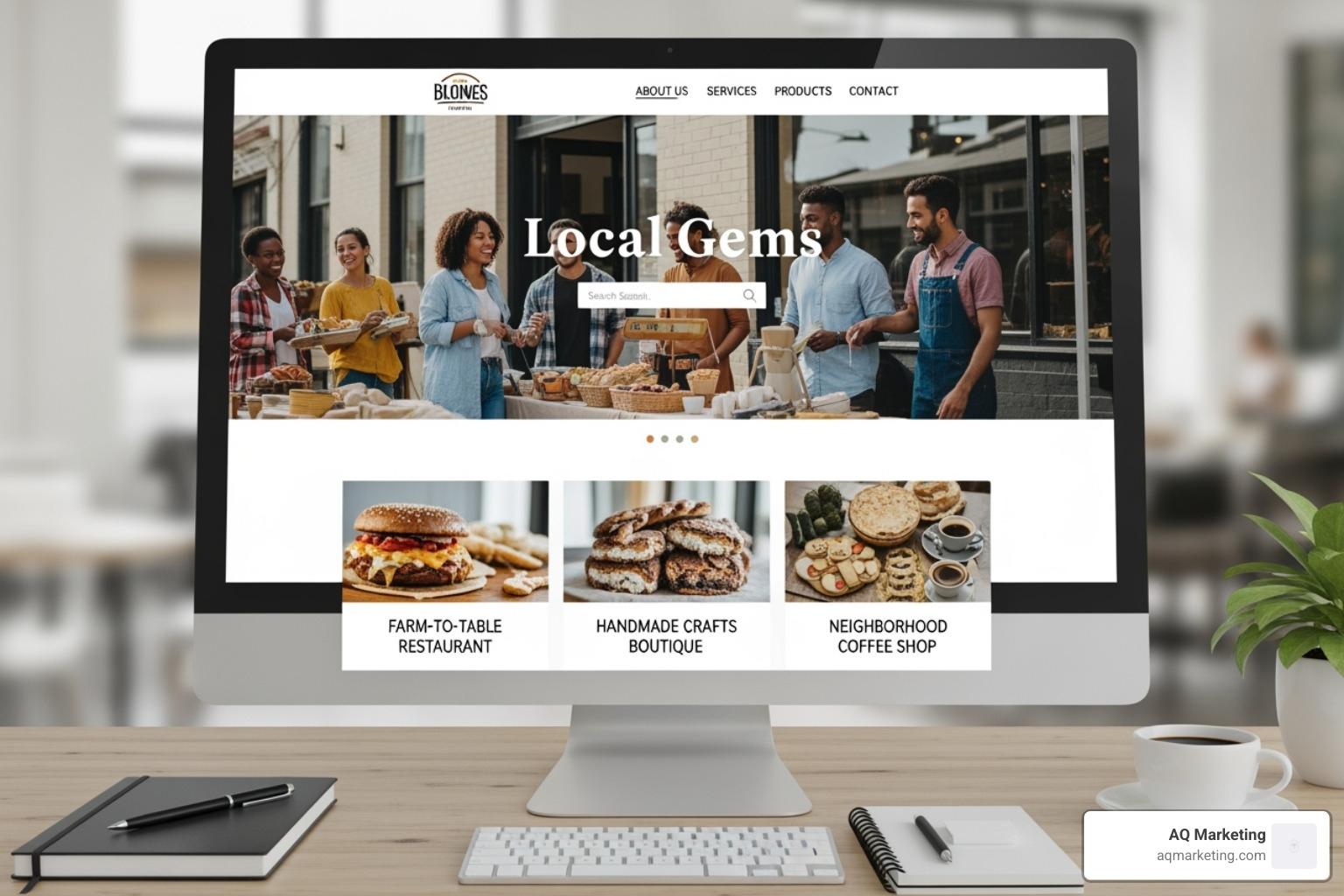
A custom e-commerce solution can be designed around the specific products, customers, delivery methods, payment options, and daily operations of a local business.


🌐 What Is a Custom E-Commerce Solution?
A custom e-commerce solution is an online shopping platform developed specifically for a business rather than relying entirely on a generic template.
It can include:
🛍️ Customized product catalog
📱 Mobile-first design
💳 Online payment integration
📦 Inventory management
🚚 Local delivery options
👤 Customer accounts
🎟️ Discount and coupon systems
📊 Sales analytics
🔎 Search-engine optimization
🌍 Multiple languages and currencies
🔐 Security and user management
The goal is simple: build the online store around the business instead of forcing the business to adapt to the platform.
🏪 Why Local Businesses Need E-Commerce
A physical store is limited by location and opening hours. An online store can allow customers to discover products, place orders, and request delivery at any time.
For a local retailer, e-commerce can provide several important advantages.
1. 📍 Reach Customers Beyond the Store
A neighborhood shop can use an online store to reach customers throughout its city, region, or even country.
For example, a local fashion boutique could allow customers to browse collections online and choose between:
🚚 Home delivery
🏪 Store pickup
📦 Regional shipping
This creates a bridge between physical retail and online shopping.
2. 📱 Meet Customers Where They Shop
Mobile-friendly shopping is particularly important because many customers discover products through smartphones.
A well-designed store should make it easy to:
Search → View product → Add to cart → Pay → Track order
without requiring customers to navigate complicated pages.


🎨 Designing the Store Around the Local Brand
One of the biggest advantages of custom development is the ability to create a unique brand experience.
Instead of using an identical template shared by hundreds of stores, businesses can customize:
🎨 Colors
✍️ Typography
📸 Product photography
🏷️ Logo and branding
🧭 Navigation
🛒 Checkout experience
📢 Promotional sections
📖 Brand storytelling
A local business can therefore communicate its personality online just as it does inside its physical store.
🛒 Essential Features for a Local E-Commerce Website
A successful local e-commerce platform doesn't necessarily need hundreds of complicated features. It needs the right features.
🔎 1. Smart Product Search
Customers should be able to quickly find products using:
Product names
Categories
Brands
Prices
Sizes
Colors
Availability
Filters become particularly valuable when a store has hundreds or thousands of products.
📦 2. Inventory Management
Inventory synchronization helps businesses know what is available.
For example:
Product: Handmade Leather Bag
Available: 8 units
Store pickup: ✅
Home delivery: ✅
Accurate inventory can reduce situations where customers order products that are no longer available.
💳 3. Secure Payments
A custom store can integrate payment methods appropriate for the business and its market.
Depending on the country, these may include:
Credit/debit cards
Digital wallets
Bank payments
Cash on delivery
Local payment gateways
For businesses in Morocco, for example, current e-commerce solutions commonly include integrations with local payment and delivery services. (Sentinel Studio)
🚚 4. Local Delivery and Store Pickup
Local businesses have an important advantage over distant competitors: proximity.
A custom e-commerce system can support:
Same-day delivery
Scheduled delivery
Local delivery zones
Delivery fees by location
Click-and-collect
Store pickup


Combining online ordering with local fulfillment can create a convenient shopping experience while allowing businesses to use their existing physical stores as fulfillment locations.
⚙️ Connecting E-Commerce With Daily Business Operations
A powerful custom solution should not operate independently from the business.
It can connect different parts of the operation:
Customer
⬇️
Online Store
⬇️
Order Management
⬇️
Inventory
⬇️
Payment
⬇️
Delivery / Store Pickup
⬇️
Customer Receives Order
This type of workflow reduces repetitive manual work.


🔐 Security Should Be a Priority
When customers create accounts and make purchases online, security becomes essential.
A professional e-commerce solution should consider:
🔒 HTTPS encryption
🔑 Secure passwords
🛡️ Protection against common web attacks
💳 Secure payment processing
👤 Role-based administration
💾 Regular backups
🔄 Software updates
📋 Privacy and data-protection requirements
Security should be incorporated from the beginning rather than added as an afterthought.
📈 SEO: Helping Local Customers Find the Store
Building an online store is only the first step.
Customers need to be able to discover it through search engines.
A local e-commerce SEO strategy can include:
🔎 Local Keywords
Examples:
"bakery in [city]"
"women's clothing [city]"
"handmade gifts near me"
"electronics store [city]"
"buy handmade products online"
📝 Optimized Product Pages
Each product should ideally have:
Descriptive title
Unique description
High-quality images
Relevant keywords
Clear pricing
Availability information
Structured information where appropriate
📍 Local Business Optimization
Businesses can also strengthen their local visibility through consistent business information, customer reviews, location pages, and useful content.
📊 Analytics: Turning Data Into Better Decisions
A custom e-commerce dashboard can help business owners understand what is happening in their store.
Useful metrics include:
Metric | What It Shows |
🛒 Orders | Number of purchases |
💰 Revenue | Total sales |
👥 Customers | Customer growth |
📦 Best Sellers | Most popular products |
🔄 Conversion Rate | Visitors who purchase |
🏷️ Average Order Value | Average spending |
📱 Mobile Sales | Sales from smartphones |
📈 Traffic Sources | Where visitors come from |
These insights can help businesses decide which products to promote, which campaigns to improve, and where customers are abandoning the purchasing process.
🧩 Choosing Between Custom Development and Platforms
Not every local business needs a completely custom platform.
Popular solutions such as WooCommerce and Shopify can be appropriate for businesses that want to launch quickly and keep development relatively simple. Current small-business guidance also emphasizes choosing a platform according to the store's budget, technical requirements, scalability, and desired flexibility. (Creative Bloq)
A custom solution becomes more attractive when a business needs specialized functionality such as:
Complex pricing
Unique checkout workflows
Multiple warehouses
Advanced inventory rules
Custom delivery zones
Integration with existing software
Specialized customer accounts
Marketplace functionality
Advanced reporting
The best solution is therefore not necessarily the most technically complicated one. It is the one that fits the business.
💡 Examples of Custom E-Commerce Solutions
👗 Local Fashion Boutique
Features could include:
Size and color filters
Product collections
Instagram-style product gallery
Online reservations
Store pickup
Customer loyalty program
🥖 Local Bakery
The website could provide:
Daily product availability
Pre-ordering
Pickup times
Custom cake orders
Delivery zones
Special-event ordering
🧶 Handmade Products Business
A handmade seller could offer:
Product customization
Made-to-order options
Digital downloads
Physical products
Customer reviews
Personalized orders
🥬 Local Grocery Store
A grocery e-commerce system could support:
Category browsing
Inventory synchronization
Delivery zones
Same-day delivery
Minimum order values
Recurring orders
🚀 How to Build a Custom E-Commerce Solution
A successful project can be divided into several stages.
Step 1 — Understand the Business
Identify:
Products
Customers
Sales process
Delivery methods
Payment methods
Inventory system
Business goals
Step 2 — Plan the User Experience
Create the structure for:
Homepage → Categories → Product → Cart → Checkout → Confirmation
The fewer unnecessary steps, the easier the buying process can become.
Step 3 — Design the Interface
Create responsive layouts for:
💻 Desktop
📱 Mobile
📟 Tablet
Step 4 — Develop the Platform
Depending on requirements, developers may use technologies such as:
HTML
CSS
JavaScript
PHP
Python
Node.js
MySQL
PostgreSQL
APIs
Step 5 — Integrate Payments and Delivery
Connect the store with the payment providers and logistics services required by the business.
Step 6 — Test Everything
Before launch, test:
Checkout
Payments
Mobile responsiveness
Product search
Inventory
Emails
Delivery calculations
Security
Page speed
Step 7 — Launch and Improve
After launch, monitor customer behavior and continuously improve the store.
🌟 The Future of Local E-Commerce
The next generation of local e-commerce will increasingly combine online convenience with local relationships.
Businesses can combine:
🏪 Physical Store + 🌐 Website + 📱 Mobile Experience + 🚚 Local Delivery + 📊 Data
This creates an omnichannel experience where customers can discover products online, ask questions through digital channels, purchase online, and receive products locally.
For smaller businesses, this approach can be particularly powerful because their biggest advantage is often not scale—it is proximity, trust, service, and personal connection.
✅ Final Thoughts
Building a custom e-commerce solution for a local business is about much more than creating an online catalog.
The best platform connects customers, products, payments, inventory, delivery, marketing, and analytics into one efficient system.
A well-designed solution can help a local business:
📈 Increase online sales
📍 Reach more local customers
📱 Provide better mobile shopping
🚚 Improve delivery and pickup
🔐 Protect customer information
🔎 Improve search visibility
💡 Make better business decisions
The key is to start with the business's real needs and build technology around them—not the other way around.
A local business doesn't need to become a giant marketplace to succeed online. It needs an e-commerce experience that makes it easy for the right customers to discover, trust, and buy from the business.