Meta Title: Zero-Inventory E-Commerce: How to Make Money Selling Downloadable Templates in 2026
Meta Description: Learn how to build a profitable zero-inventory e-commerce business by creating and selling downloadable templates. Discover the best platforms, template ideas, pricing strategies, and SEO tips.
Zero-Inventory E-Commerce: Profiting from Downloadable Templates


The e-commerce landscape has evolved dramatically, making it possible to launch a profitable online business without ever handling physical products. One of the fastest-growing opportunities is selling downloadable templates—digital products customers purchase, download instantly, and use repeatedly.
Unlike traditional retail, zero-inventory e-commerce eliminates manufacturing costs, shipping delays, and warehouse expenses. Once your template is created, it can be sold thousands of times with minimal ongoing effort.
Whether you're a graphic designer, marketer, educator, or entrepreneur, downloadable templates can generate recurring passive income while serving customers worldwide.
What Is Zero-Inventory E-Commerce?
Zero-inventory e-commerce refers to selling products that require no physical stock.
Examples include:
Printable planners
Resume templates
Business proposal templates
Budget spreadsheets
Canva social media templates
Presentation templates
Digital journals
Wedding invitations
Classroom worksheets
Notion productivity dashboards
Customers pay online and instantly receive downloadable files.
Why Digital Templates Are Booming


Several trends have fueled demand:
Remote work
Online businesses
Content creators
Digital education
Freelancers
Small businesses
AI-assisted productivity
People want ready-made solutions that save time.
Instead of creating documents from scratch, customers happily pay for professional templates.
Benefits of Selling Downloadable Templates
1. No Inventory
There is nothing to manufacture or store.
2. High Profit Margins
Once created, every additional sale is nearly pure profit.
3. Automated Delivery
Marketplaces automatically deliver downloads after purchase.
4. Global Customers
Anyone with internet access can buy your products.
5. Passive Income Potential
Templates continue generating sales while you focus on creating new products.
Best-Selling Digital Template Ideas
Business
Invoice templates
Proposal templates
Contracts
Business plans
Marketing calendars
Financial trackers
Personal Finance
Budget planners
Savings trackers
Debt payoff worksheets
Investment logs
Expense trackers
Social Media
Instagram templates
Pinterest pin templates
YouTube thumbnails
TikTok content planners
Facebook cover designs
Productivity
Daily planners
Weekly planners
Habit trackers
Goal planners
Time-blocking sheets
Education
Lesson plans
Study planners
Flashcards
Classroom printables
Homeschool worksheets
Creative
Wedding invitations
Greeting cards
Party decorations
Scrapbook pages
Printable art
Popular Design Software
Professional templates can be created using:
Canva
Adobe Illustrator
Adobe InDesign
Photoshop
Figma
Microsoft PowerPoint
Microsoft Excel
Google Sheets
Affinity Designer
Many beginners start with Canva because it offers simple drag-and-drop design tools.
Where to Sell Digital Templates


Popular marketplaces include:
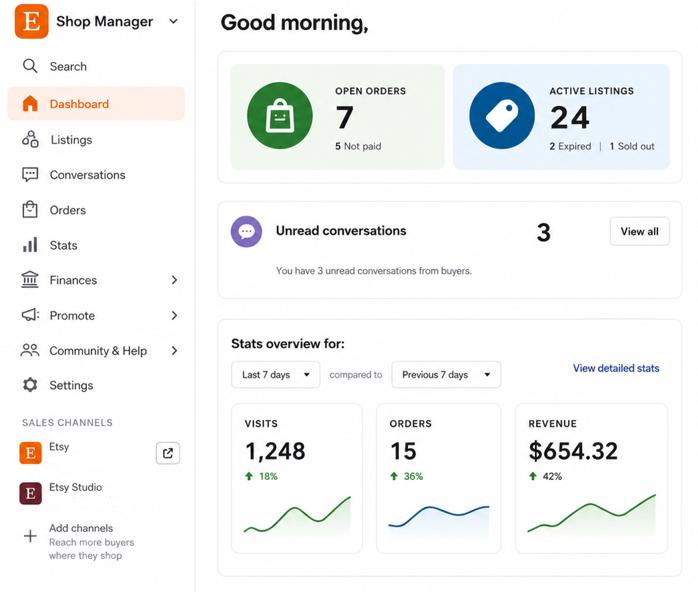
Etsy
Excellent for printables and planners.
Creative Market
Ideal for designers selling premium assets.
Gumroad
Simple platform for digital creators.
Shopify
Perfect for building your own brand and online store.
Your Own Website
Selling directly gives you complete control over pricing and customer relationships.
Pricing Strategies
Common pricing ranges include:
Product | Typical Price |
Printable Planner | $5–15 |
Resume Template | $8–25 |
Canva Bundle | $20–60 |
Business Bundle | $30–150 |
Premium Notion Dashboard | $25–100 |
Bundles generally increase the average order value.
Creating Templates That Sell
Successful templates solve specific problems.
Examples include:
Restaurant budget planner
Real estate marketing kit
Teacher lesson planner
Fitness journal
Wedding checklist
The more specialized your product, the less competition you typically face.
SEO Tips for Digital Template Sellers
Optimize your product listings by using:
descriptive titles
relevant keywords
high-quality preview images
detailed product descriptions
FAQs
customer reviews
Examples of SEO keywords:
printable budget planner
Canva Instagram templates
editable resume template
digital wedding planner
printable meal planner
Notion finance template
Long-tail keywords often convert better because they target buyers with specific needs.
Marketing Your Templates
Successful creators don't rely solely on marketplace traffic.
Instead, they build multiple traffic sources:
Pinterest
Instagram
TikTok
YouTube
Blogging
Email newsletters
Facebook groups
Pinterest, in particular, performs exceptionally well for printable products because users frequently search for planning, organization, and DIY ideas.
Bundle Products for Higher Revenue
Instead of selling one planner, create a complete package.
Example:
Monthly planner
Weekly planner
Daily planner
Habit tracker
Budget planner
Meal planner
A bundle priced at $39 often provides greater value and higher earnings than selling individual templates.
Use AI to Speed Up Your Workflow
Artificial intelligence can help you:
Brainstorm template ideas
Generate content
Write product descriptions
Research keywords
Create marketing copy
Draft email campaigns
Always review and customize AI-generated content to ensure quality and originality.
Common Mistakes to Avoid
Avoid these pitfalls:
Using copyrighted graphics without permission
Creating templates that are too generic
Ignoring customer feedback
Neglecting SEO
Uploading low-quality preview images
Inconsistent branding
Poor file organization
Professional presentation significantly influences buyer confidence.
Scaling Your Digital Business
Once you've built a product catalog, you can expand by:
Launching seasonal collections
Creating premium bundles
Offering commercial licenses
Building a membership library
Selling courses
Starting an affiliate program
Developing your own online marketplace
A diverse product range can help stabilize revenue throughout the year.
Final Thoughts
Zero-inventory e-commerce is one of the most accessible online business models in 2026. By creating high-quality downloadable templates, you can build a scalable source of income without managing physical inventory or shipping logistics.
Success comes from identifying a clear customer need, designing polished and practical templates, optimizing listings for search engines, and consistently marketing your products across multiple channels. With time, a growing catalog of digital assets can become a valuable long-term business that generates sales around the clock.
Frequently Asked Questions (FAQ)
Can beginners sell downloadable templates?
Yes. Many successful sellers start with basic design skills and improve over time using beginner-friendly tools like Canva.
Which templates sell best?
Business documents, planners, social media kits, budget trackers, educational resources, and productivity templates consistently rank among the most popular.
Do I need a website?
No. You can begin on digital marketplaces and later launch your own website to build your brand and keep more of each sale.
How much can I earn?
Earnings vary based on product quality, niche, pricing, and marketing. Some creators make occasional side income, while others build full-time businesses with extensive digital product catalogs.
Is this business model scalable?
Yes. Because digital templates require no inventory or shipping, you can continue adding new products and reaching customers worldwide with minimal additional operating costs.