Meta Title: DIY Guide for Beginners: Easy Projects, Tools, Ideas, and Tips (2026)
Meta Description: Discover the world of DIY with beginner-friendly projects, essential tools, creative ideas, money-saving tips, and step-by-step guidance for home improvement and crafts.


DIY: Create, Repair, Improve, and Save Money Yourself
DIY—short for Do It Yourself—is more than just a hobby. It is a practical way to learn new skills, personalize your space, save money, and create useful products with your own hands.
From simple home decorations to furniture building, repairs, crafts, and technology projects, DIY allows anyone to become more independent and creative.
Whether you're a complete beginner or an experienced maker, DIY projects can help you develop valuable skills while enjoying the satisfaction of building something yourself.
Why DIY Is Becoming More Popular
DIY continues growing because people want:
Affordable home improvements
Personalized designs
Creative hobbies
Sustainable solutions
Practical skills
Less dependence on expensive services
Instead of replacing everything, many people choose to repair, upgrade, or transform what they already own.
Benefits of DIY Projects


Save Money
Many projects can be completed at a fraction of the cost of hiring professionals.
Examples:
Painting walls
Building shelves
Repairing furniture
Creating decorations
Installing simple upgrades
Learn Valuable Skills
DIY teaches practical abilities such as:
Measuring
Planning
Designing
Repairing
Building
Problem-solving
These skills can be useful throughout life.
Create Unique Designs
DIY allows you to customize:
Colors
Materials
Sizes
Styles
Features
Your projects can reflect your personality and match your exact needs.
Essential DIY Tools for Beginners
You don't need a professional workshop to start.
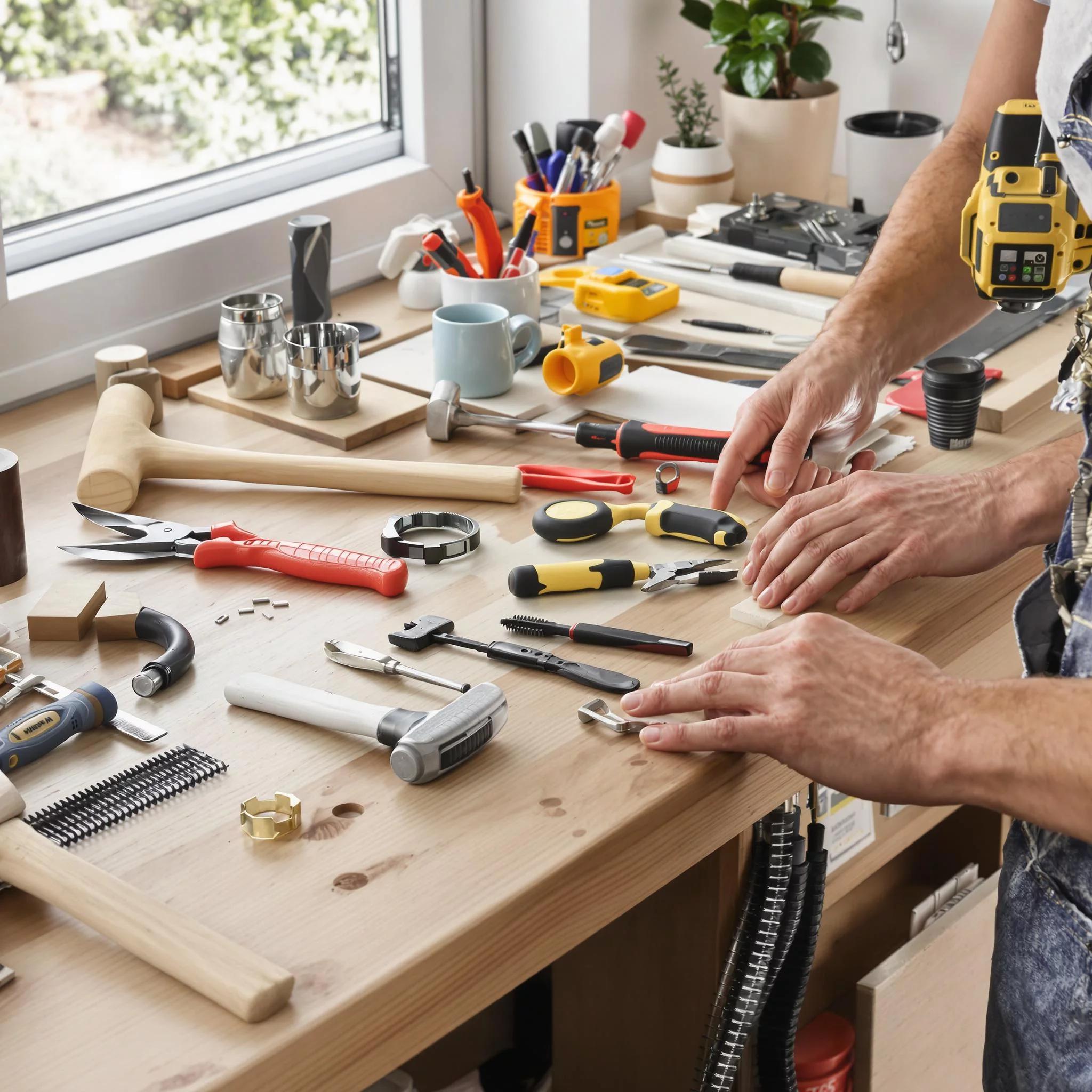
A basic DIY toolkit includes:
Hand Tools
Screwdrivers
Hammer
Measuring tape
Utility knife
Pliers
Level
Wrenches
Power Tools
For more advanced projects:
Electric drill
Sander
Saw
Glue gun
Rotary tool
Safety Equipment
Always consider:
Safety glasses
Gloves
Dust mask
Ear protection
Safety should be the first step in every project.
Easy DIY Projects for Beginners


1. Floating Wall Shelves
A simple shelf project can improve storage and decoration.
You need:
Wooden boards
Brackets
Screws
Paint or stain
Steps:
Measure your wall space.
Prepare and smooth the wood.
Attach brackets securely.
Install the shelf.
Add decorations or storage items.
2. DIY Home Office Setup
Create a productive workspace with:
Custom desk organizers
Cable management
Wall storage
Lighting improvements
Decorative elements
A comfortable workspace can improve focus and creativity.
3. Upcycled Furniture
Give old furniture a new life.
Ideas:
Repaint old chairs
Transform wooden boxes into shelves
Restore vintage tables
Add new handles to cabinets
Upcycling reduces waste and creates unique pieces.
DIY Home Improvement Ideas


Popular home DIY projects include:
Painting Projects
A fresh coat of paint can completely change a room.
Tips:
Prepare surfaces properly
Use quality materials
Protect floors and furniture
Apply multiple thin coats
Storage Solutions
Improve organization with:
Closet organizers
Garage storage
Kitchen shelves
Hidden storage ideas
Smart storage makes homes more functional.
Lighting Upgrades
Simple lighting changes can improve atmosphere.
Ideas:
LED strips
Decorative lamps
Smart bulbs
Wall lighting
DIY Crafts and Creative Projects
DIY is not only about repairs—it is also about creativity.
Popular craft ideas include:
Handmade decorations
Personalized gifts
Candle making
Painting
Wood crafts
Fabric projects
Paper crafts
Creative projects are enjoyable and can even become small businesses.
Sustainable DIY Ideas


DIY can support a more sustainable lifestyle.
Examples:
Repair instead of replacing
Reuse old materials
Create compost systems
Build garden planters
Restore used furniture
Small improvements can reduce waste and save resources.
Common DIY Mistakes to Avoid
Beginners often make these mistakes:
Skipping Planning
Always prepare:
Measurements
Materials
Tools
Project steps
Buying Too Many Tools Too Early
Start with basic tools and expand as your skills grow.
Ignoring Safety
Always:
Wear protection
Follow instructions
Use tools correctly
Work in a suitable environment
Rushing the Process
Good results require patience.
Take time to:
Measure carefully
Prepare surfaces
Allow materials to dry
Review your work
How to Improve Your DIY Skills
You can become better by:
Watching tutorials
Practicing simple projects
Reading guides
Joining maker communities
Learning from mistakes
Experimenting with new materials
Every project builds experience.
Turning DIY Into a Business


Many DIY enthusiasts turn their skills into income.
Possible opportunities include:
Selling handmade products
Creating online tutorials
Starting a YouTube channel
Selling DIY plans
Offering repair services
Creating craft courses
Popular DIY products include:
Furniture
Home decorations
Personalized gifts
Digital templates
Craft kits
Final Thoughts
DIY is a powerful way to save money, learn new skills, and express creativity. Whether you're improving your home, creating handmade items, or repairing everyday objects, every project provides an opportunity to learn and grow.
The best DIY projects don't require perfection—they require curiosity, patience, and a willingness to try.
Start small, build your confidence, and enjoy the satisfaction of creating something with your own hands.
Frequently Asked Questions (FAQ)
Is DIY suitable for beginners?
Yes. Many DIY projects are designed for beginners and require only basic tools and simple techniques.
How much does it cost to start DIY?
You can begin with a small collection of basic tools and inexpensive materials. Many beginner projects can be completed with minimal investment.
What are the easiest DIY projects?
Easy beginner projects include painting, decorating, simple shelves, organizers, crafts, and furniture upgrades.
Can DIY become a source of income?
Yes. Many people earn money through handmade products, tutorials, digital guides, and DIY-related businesses.